

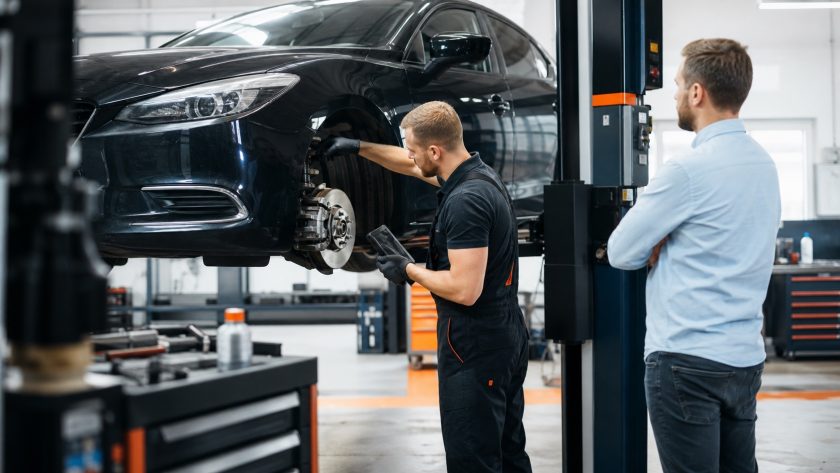
A pre-purchase car inspection is not a formality. It is the step that turns a nice-looking used car into a decision based on evidence: history, body condition, diagnostics, test drive, documents and clear warranty terms. In Estonia, official buyer advice also reminds buyers that the responsibility for checking the vehicle is largely on the buyer.
Inspection is more than a short test drive
A test drive tells you how the car feels, but it does not show everything. A serious pre-purchase check looks at visible wear, bodywork, tyres, brakes, suspension, leaks, warning lights, electronics, service information and how the car behaves under normal driving conditions.
Transpordiamet advises buyers to check more rather than less and, when in doubt, not to buy. That is especially important when the car has limited history, inconsistent mileage information or a seller who does not answer direct questions.
- Bodywork, paint differences and signs of previous repair.
- Tyres, brakes, suspension and visible leaks.
- Dashboard warnings and diagnostic fault codes.
- Service history, mileage logic and inspection records.
- Test drive behaviour: steering, braking, gearbox and engine response.
Use history checks, but do not rely on them alone
For an Estonian-registered vehicle, official background information can help confirm registry and inspection data. It is a useful first step, not a complete technical conclusion.
Some defects appear only during a physical inspection or diagnostic check. That is why the best buying decision combines official data, service documents, a test drive and a condition report from someone who knows what to look for.
Warranty is useful, but clarity is just as important
Warranty gives additional confidence, but a buyer should still understand what was checked, what is known about the car and which terms apply. A good seller should be able to explain the condition without hiding behind general phrases.
For buyers using financing, this is even more important. The car should fit not only the monthly payment, but also the likely ownership costs after purchase.
When to slow down or walk away
Slow down if the seller refuses inspection, gives inconsistent information, pushes for a rushed decision or avoids written terms. A used car can still be a good purchase with minor defects, but those defects should be known and reflected in the decision.
Autoco’s checked-car process is designed to reduce that uncertainty: technical control, clearer condition information and warranty terms give the buyer a better basis for comparison.
Choose a used car with clearer condition information
Read about Autoco inspection principles or compare checked used cars available in Tallinn.
Frequently asked questions
What is included in a pre-purchase car inspection?
A useful inspection checks visible condition, bodywork, tyres, brakes, suspension, leaks, diagnostics, service information, documents and test drive behaviour.
Is vehicle history enough before buying?
No. History data is useful, but it does not replace a physical inspection, diagnostics and a clear discussion about known defects.
Do Autoco cars pass a technical check?
Autoco states that every Autoco car passes a technical check and buyers receive clear information about the car condition.
What warranty does Autoco mention?
Autoco describes a 6-month warranty up to 4000 km. Exact terms should be confirmed for the specific car before purchase.
When should I avoid buying a used car?
Avoid or slow down the deal if the seller refuses inspection, gives inconsistent information, pressures you to decide quickly or avoids written terms.